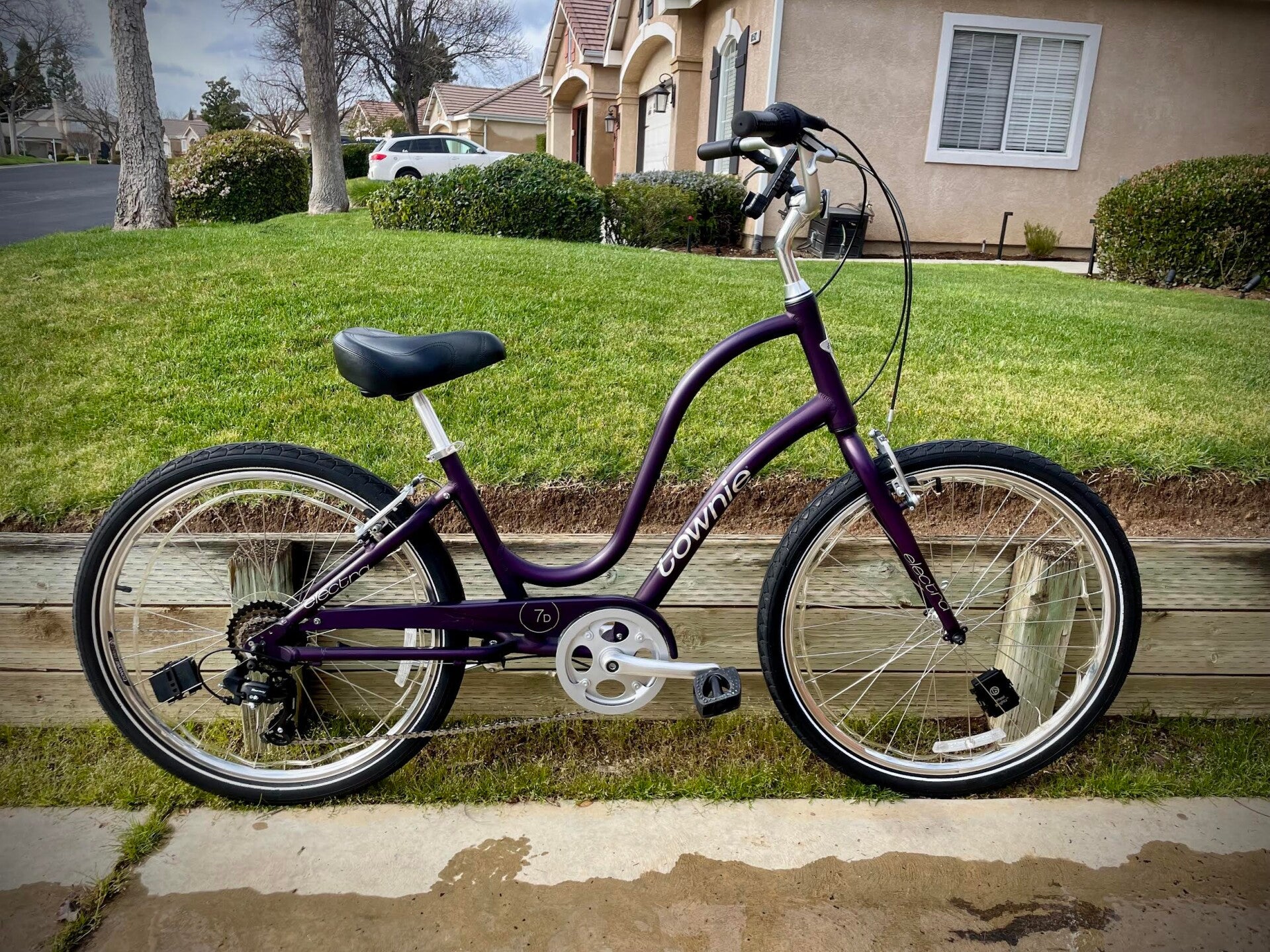
Spring Riding Is Here — Is Your Bike Ready for the Season?
The best riding days of the year have arrived. After battling through winter miles, now’s the time to make sure your bike is dialed in and ready to perform at its peak. Before you hit full stride, run through this quick checklist to ensure peak performance all season long...
Ask about our new Enjoy the Ride Club!
Things to be checking...
-
Tires: Your Most Important Contact Point with the Road
Your tires are the only thing connecting you to the pavement — and one of the most commonly overlooked components on a bike. A quick inspection now can prevent flats, poor handling, or worse later in the season.
✔ Inflation
Check that your tires are inflated to the recommended pressure listed on the sidewall. Proper pressure improves control, efficiency, and tire life.
Be sure you’re using the correct pressure for your setup — tubeless and tube systems often require different PSI ranges.✔ Sealant Levels
If you’re riding in the Valley, sealant isn’t optional — it’s essential. Spring brings goat-head thorns, and without sealant, a small puncture can quickly end your ride.
Make sure sealant levels are adequate whether you’re running tubeless or sealant-filled tubes.✔ Wear Indicators
Some tires include small dimples along the tread or outer edge that act as wear indicators. When those dimples begin to disappear, it’s time for replacement.
If your tire doesn’t have indicators, check its profile when fully inflated. If the tread looks squared off instead of rounded (cruiser tires excluded), it’s likely time for new rubber.✔ Cracks or Sidewall Damage
Deflate the tire and gently squeeze the sidewall. If cracks appear in the rubber, the tire is drying out and should be replaced.
Any exposed threads, fraying, or visible casing along the sidewall is also a clear sign it’s time for a new tire.✔ Misshapen or Bulging Areas
Noticeable wobbles, bumps, or deformities in the tire can indicate internal structural failure. This can lead to sudden blowouts — don’t ignore it. Replace immediately if the tire doesn’t spin smoothly and evenly.


-
Drivetrain Components: The Heart of Your Bike
Your drivetrain powers every ride. If it’s worn or out of adjustment, performance suffers — and small issues can quickly become expensive ones. A thorough check now can save you time, money, and frustration later.
✔ Chain
Often overlooked and heavily abused, your chain plays a critical role in drivetrain health.
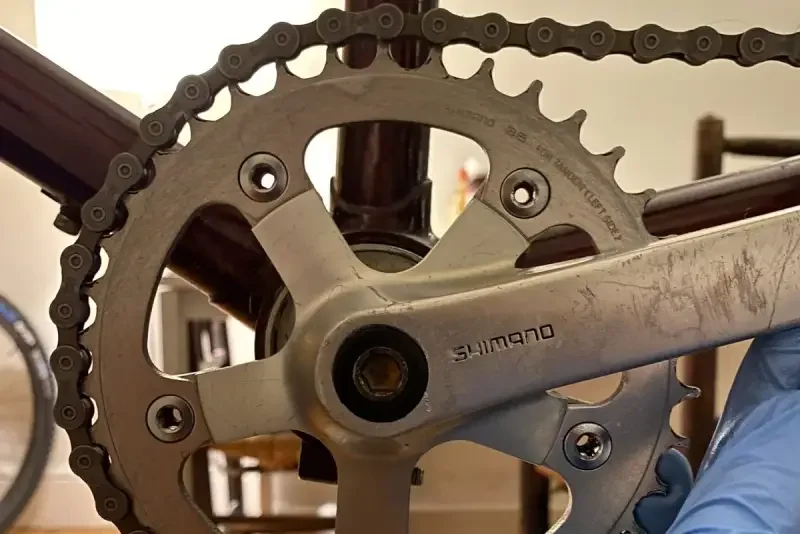
Over time, internal bushings wear down in a condition commonly referred to as “chain stretch.” This causes poor shifting and skipping under load, typically near the end of a chain’s lifespan (around 1,500–3,000 miles depending on conditions and maintenance).
Replacing a worn chain early is one of the most cost-effective services you can do. Ignore it, and you risk prematurely wearing out your cassette and chainrings — turning a $30 fix into a few hundred dollars in replacements.
If your chain is stretched, replace it. Don’t wait.
✔ Cassette or Freewheel
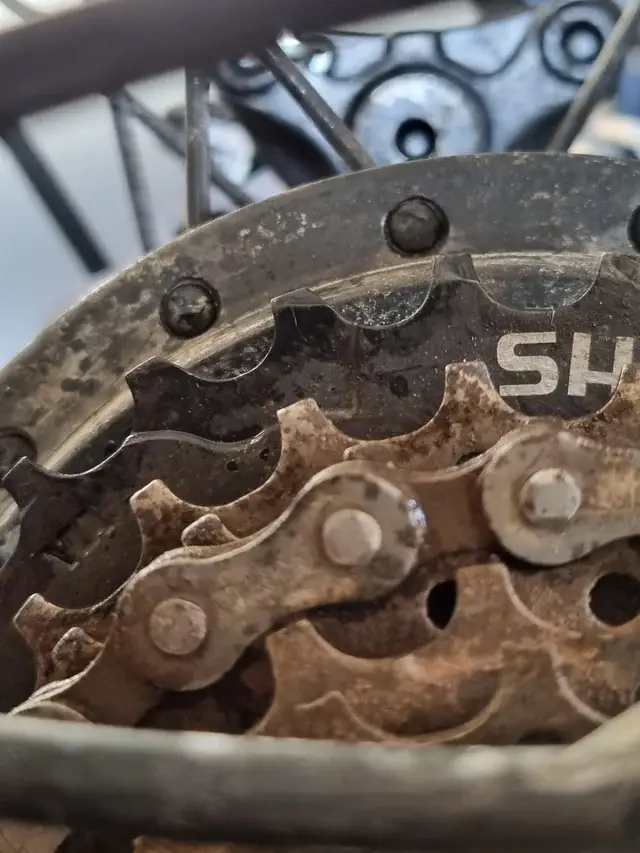
Your rear gears also wear over time — especially if paired with a worn chain.
Signs of wear include:
-
Skipping in frequently used gears
-
Visible “shark-toothing” on the cogs
-
Rough bearings or excessive play
Shark-toothing occurs when the teeth lose their flat top and become pointed from wear. Once this happens, even a brand-new chain will skip under pressure.
If you feel grinding, roughness, or side-to-side play, your freehub may need servicing — or your freewheel may need replacement. Address it early to avoid bigger failures down the road.
✔ Derailleurs
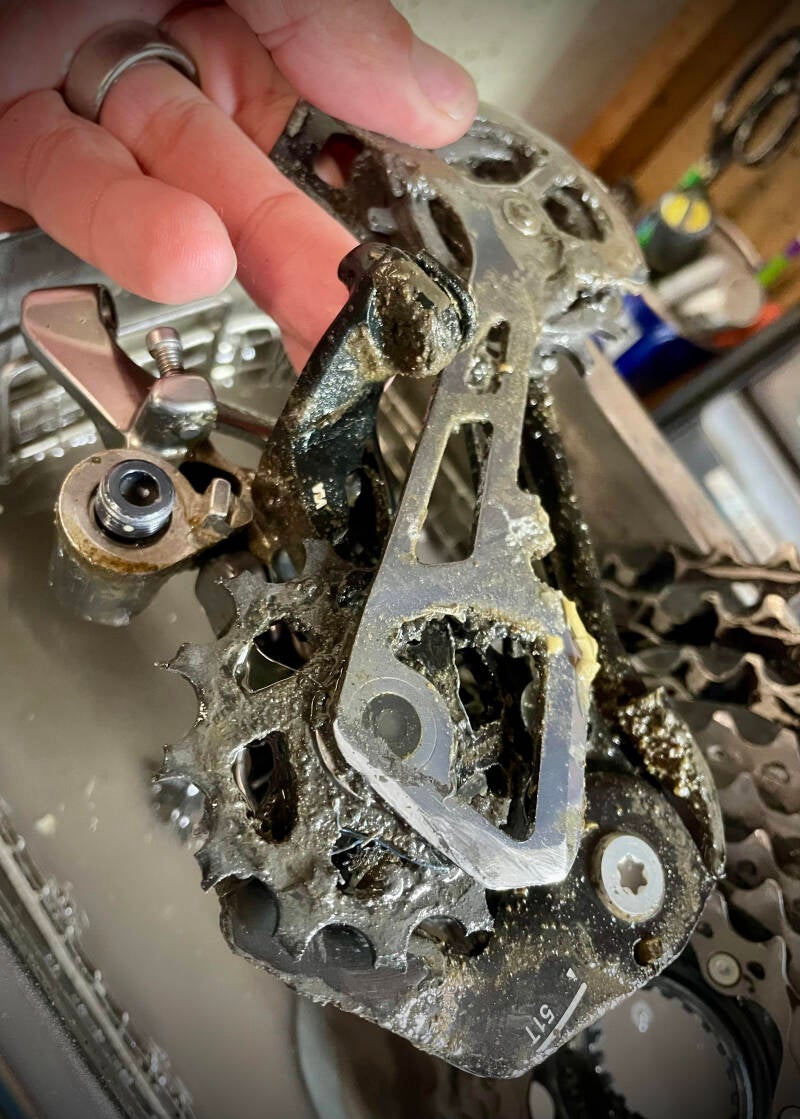
Your derailleurs guide the chain from gear to gear. When functioning properly, shifting should feel smooth and precise.
Inspect for:
-
Dirty or clogged pulley wheels
-
Stiff or restricted movement
-
Frayed cables or worn housing (ferrules)
-
Inconsistent or hesitant shifting
If shifting isn’t clean and accurate, an adjustment is likely needed. Riding with a poorly adjusted derailleur accelerates wear on your chain and gears and can lead to costly repairs.
✔ Hubs
Though often overlooked, hubs are a critical part of your wheel system and overall drivetrain performance.
Spin each wheel and check for:
-
Smooth, consistent rotation
-
No grinding or binding
-
No side-to-side play
If you notice roughness or movement, your hubs may need adjustment or bearing service. Address minor issues early to prevent worn bearings, damaged cones, or full hub failure.
If bearings are worn, replace them promptly — delaying service can permanently damage the hub.
-


-
Brakes: Control, Confidence, and Safety
Few components are more important than your brakes. Before heading out on your first big Spring ride, take time to inspect your braking system thoroughly. Stopping power isn’t optional — it’s essential.
✔ Brake Pads
Brake pads are typically the first braking component to wear — and fortunately, they’re also one of the most affordable and easiest to replace.
Whether you’re running disc or rim brakes, pads are made from organic compounds that naturally wear down with use. Just like your car, worn pads reduce stopping performance and can compromise safety.
If your pads are thin, glazed, or unevenly worn, replace them to keep your braking strong and consistent.
✔ Cables and Hydraulic Hoses
Hydraulic Brakes:
Inspect the entire hose for cracks, leaks, or kinks. Pay close attention to the connection points at the caliper and brake lever — these are common areas for pressure-related cracking.If your brake lever pulls all the way to the handlebar, that’s a clear sign something isn’t right. Your system may need a brake bleed or further service.
Cable (Mechanical) Brakes:
Check that the housing isn’t kinked, cracked, or collapsing. Inspect the inner cable for rust or corrosion.Worn or corroded cables often make the brake lever feel stiff or difficult to pull. Fortunately, replacing a brake cable is inexpensive and can dramatically improve braking feel and performance.
✔ Caliper Health
Your calipers should move freely and retract smoothly.
-
On disc brakes, check that pistons are extending and retracting evenly.
-
On rim brakes, ensure return springs are functioning properly.
-
Listen and look for brake rub — especially common with disc systems.
Brake rub doesn’t just create annoying noise — it slows you down, increases effort, and prematurely wears your pads. If your brakes are rubbing, have them properly aligned and adjusted.
A quick brake inspection now ensures smooth, reliable stopping power all season long — and gives you confidence every time you head out for a ride.
-
-
Contact Points & Wear Items: Comfort Matters
Beyond the major mechanical systems, the remaining components on your bike are largely made of rubber, foam, plastic, or textiles. These materials naturally break down over time — and while they may not stop your bike from functioning, they absolutely affect comfort, control, and ride quality.
✔ Saddles
Performance saddles can last for years — sometimes decades — but most stock or recreational saddles are not built for that kind of lifespan.
Gel and foam saddles, in particular, tend to break down within 3–5 years. The outer cover may still look fine, but the supportive padding underneath is often long gone. If you’re riding a 15- or 20-year-old saddle and wondering why you’re uncomfortable, the answer may be simple: the cushioning has collapsed.
If your saddle feels flat, overly soft, or no longer supportive, it’s time to replace it.
Stock saddles are typically inexpensive — and built accordingly. If you’re looking for a long-term investment, a high-quality leather saddle like one from Brooks England can last for many years when properly cared for.
✔ Grips and Bar Tape
Grips and bar tape are classic wear-and-tear items. With regular use, they compress, harden, tear, or become sticky.
Worn grips or tape can:
-
Cause hand and wrist discomfort
-
Leave residue on gloves or hands
-
Reduce control
-
In extreme cases, contribute to numbness or nerve irritation
One of the simplest and most affordable comfort upgrades you can make is replacing them. A quality set of grips or fresh, cushioned bar tape can dramatically improve ride feel.
If comfort is your priority, consider thicker, more ergonomic options.
✔ Levers and Shifters
These are your bike’s control center. If they aren’t functioning properly, your ride will suffer.
Modern brake levers and shifters often include plastic bushings, covers, and internal components that require occasional cleaning and lubrication. Dirt buildup or lack of maintenance can cause stiffness or inconsistent performance.
If covers are cracked, internals feel sloppy, or shifting/braking action isn’t smooth and precise, it may be time for service or replacement.
Comfort and control are just as important as mechanical performance. Replacing worn contact points can make an older bike feel new again — and make every mile more enjoyable this Spring.
-

What do I do?
Ready to Ride?
Spring delivers some of the best riding conditions of the year — longer days, smoother roads, and miles waiting to be logged. But the difference between a great ride and a frustrating one almost always comes down to preparation.
Beyond working through this checklist, make sure your bike is clean and properly lubricated. Dirt and grime don’t just make your bike look neglected — they accelerate wear, reduce efficiency, and rob performance. After a dirty ride, hose the bike off, sponge-wash it with mild liquid soap, and always apply fresh lubricant to the chain once it’s dry.
If your drivetrain is heavily caked with buildup, a standard wipe-down won’t cut it. A professional drivetrain deep-clean can restore smooth operation and extend the life of your components.
Stay on top of tire pressure as well. Habitually running low pressure not only makes you work harder, it prematurely wears out your sidewalls. Pressure ratings exist to protect the integrity of the tire — ignoring them often means replacing tires far sooner than necessary.
And if you’re noticing multiple issues, shifting inconsistencies, brake concerns, or excessive grime, don’t wait. Give me a call. Our service packages are designed to deliver noticeable performance improvements, and our Sport Tune addresses the most common issues riders face. I strongly recommend a Sport Tune at least once a year to keep your bike running at its best.
Take care of the small things now, and you’ll enjoy a full season of smooth, confident, trouble-free riding ahead.
See you out there. 🚴♂️🌤